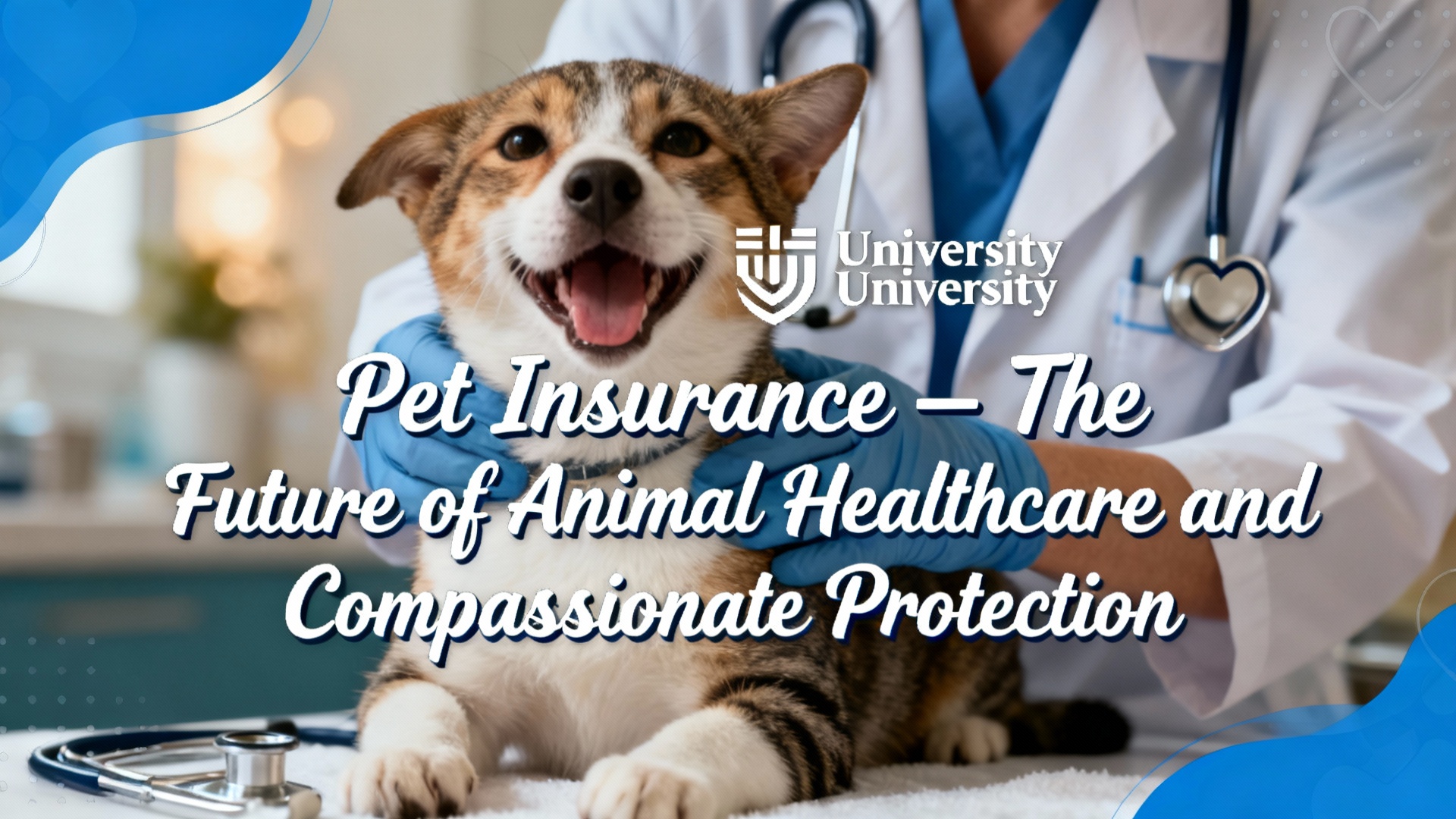
For millions of people worldwide, pets are not just animals — they are beloved family members. From playful dogs and curious cats to exotic birds and rabbits, pets bring joy, companionship, and emotional stability. Yet, like humans, they can fall ill, get injured, or develop chronic conditions.
Veterinary care, however, is becoming increasingly expensive due to advanced treatments, diagnostic technologies, and longer pet lifespans. This is where pet insurance steps in — bridging compassion and financial security.
Once considered a luxury, pet insurance is now becoming a global necessity. As AI, telemedicine, and personalized coverage reshape the insurance landscape, pets are gaining access to the same level of care and innovation humans enjoy.
1. The Rise of Pet Insurance
Pet insurance began in the late 19th century, primarily covering livestock and working animals. The first modern pet-insurance policy for a dog was issued in Sweden in 1924. Since then, the industry has grown exponentially.
In the last decade, the surge in pet ownership, especially during the pandemic, has driven demand to record levels. Global pet-insurance premiums are projected to surpass $20 billion by 2030, as owners seek protection against high medical costs.
Today, pet insurance is no longer limited to accidents. It covers surgeries, chronic illnesses, genetic conditions, dental care, behavioral therapy, and even mental well-being.
2. Why Pet Insurance Matters
Veterinary medicine has evolved rapidly. Pets can now receive chemotherapy, organ transplants, and advanced imaging such as MRI or CT scans. But these procedures come with hefty bills — often thousands of dollars.
Without insurance, many pet owners face heartbreaking decisions between financial strain and their pet’s survival. Pet insurance eliminates that dilemma by ensuring affordable access to quality care.
It transforms emotional distress into peace of mind — knowing that love and care don’t have to compete with cost.
3. How Pet Insurance Works
Pet insurance operates similarly to human health insurance:
-
Premiums: Paid monthly or annually based on pet species, breed, age, and location.
-
Deductible: The amount the owner pays before insurance kicks in.
-
Reimbursement Rate: Typically 70–90% of eligible veterinary costs.
-
Coverage Type: Accident-only, accident + illness, or comprehensive (including wellness care).
Owners submit claims after veterinary visits, and reimbursements are processed quickly — often digitally.
4. AI in Pet Health Analytics
Artificial intelligence is revolutionizing how insurers assess pet health and manage claims.
AI models analyze veterinary records, genetic data, and even behavioral patterns from smart collars or pet trackers. These systems can detect early signs of illness, such as reduced activity or irregular heart rate, prompting owners to seek care before symptoms worsen.
Insurers use these data insights to offer personalized premiums, rewarding responsible owners who engage in preventive care and regular check-ups.
5. Telemedicine for Pets
Just as humans now consult doctors online, pets can see veterinarians virtually. Tele-vet services allow owners to schedule video consultations, upload photos, and receive prescriptions without leaving home.
Pet insurers increasingly integrate these telemedicine features into their apps. This not only saves time but also reduces stress for pets who fear clinic visits.
AI chatbots can triage cases — determining whether symptoms are mild or require immediate in-person care. Such innovation improves efficiency while reducing unnecessary vet bills.
6. DNA Testing and Preventive Care
Modern pet insurance doesn’t just treat illness — it predicts and prevents it.
DNA testing kits for pets reveal genetic risks for conditions like hip dysplasia, heart disease, or allergies. Insurers use this data to tailor preventive plans, such as diet recommendations or early screenings.
This shift from reactive treatment to proactive health management benefits both pets and insurers — fewer emergencies mean healthier animals and lower claim costs.
7. Wearable Technology and Real-Time Monitoring
Smart collars and health trackers now monitor pets’ movements, sleep cycles, and heart rates.
If a cat stops moving for an unusual length of time or a dog’s heart rate spikes, the system can alert both the owner and the insurer.
This real-time data enables usage-based insurance, where premiums adjust dynamically based on health and activity. Just like fitness-based health insurance for humans, active pets earn lower rates.
8. Expanding Coverage Beyond Dogs and Cats
While dogs and cats dominate the market, insurers are expanding to cover exotic and farm animals — parrots, rabbits, reptiles, and even horses.
Each species brings unique risks and medical costs. For example, a parrot’s surgery may require specialized avian care, while reptiles need environmental control for recovery.
AI-driven actuarial models now make it possible to price these policies accurately and fairly, ensuring that no animal is left unprotected.
9. Mental Health and Behavioral Coverage
Pet well-being isn’t just physical. Anxiety, aggression, and depression affect animals just like humans.
Some insurers now include coverage for behavioral therapy, training sessions, and even pet psychologists. This holistic approach acknowledges that mental health is a core component of overall wellness.
By addressing behavior early, owners also prevent destructive habits that could lead to injuries or property damage.
10. Sustainability and Ethical Responsibility
Pet ownership has environmental implications — from pet food production to waste management. Forward-thinking insurers are promoting eco-friendly initiatives:
-
Discounts for purchasing sustainable pet products.
-
Coverage for green pet cremation or eco-burial options.
-
Partnerships with animal shelters and rescue organizations.
These programs align pet care with broader sustainability and compassion goals, appealing to environmentally conscious owners.
11. Claims Processing with AI and Blockchain
Filing claims used to involve long forms and receipts. Now, AI can verify veterinary invoices instantly by cross-checking them with clinic databases.
Blockchain adds an extra layer of trust — storing transaction records securely and transparently.
Some companies even offer instant claim approval for routine procedures like vaccinations or X-rays, ensuring owners receive reimbursements within hours.
12. The Global Perspective
Countries like Sweden, the UK, and Japan lead in pet-insurance adoption, with coverage rates exceeding 40% of pet owners. In contrast, markets like the U.S. and Asia are growing rapidly, fueled by rising middle-class incomes and increased pet humanization.
In developing nations, micro pet-insurance models are emerging — offering affordable premiums collected through mobile payments. This ensures even rural pet owners can access protection for working animals and companions.
13. Pet Insurance and Emotional Wellness
Financial protection isn’t the only benefit. Knowing a beloved animal is insured provides emotional relief, especially during emergencies.
Insurers are incorporating grief counseling, 24/7 helplines, and memorial services as part of their premium plans. This human-centered approach recognizes the deep emotional bond between pets and owners.
It transforms pet insurance from a transactional service into a relationship of care and empathy.
14. Challenges Facing the Industry
Despite its growth, pet insurance still faces hurdles:
-
Low Awareness: Many owners don’t know coverage exists or how it works.
-
Cost Concerns: Premiums for older pets can be expensive.
-
Exclusions: Pre-existing conditions often remain uncovered.
-
Standardization: Policies vary widely, making comparisons difficult.
Insurtech innovations and regulatory reform are helping to address these gaps, introducing transparency and flexibility across global markets.
15. The Future — Personalized, Predictive, and Compassionate
The next generation of pet insurance will blend AI-driven prediction, genetic profiling, and emotional intelligence.
Imagine your pet’s collar detecting early arthritis signs, prompting an AI assistant to schedule a vet visit and file a pre-approved insurance claim automatically. Or policies that adjust in real time as your pet ages or develops new habits.
Some companies are even developing lifelong pet protection ecosystems, combining health data, nutrition tracking, and insurance into one unified app.
Ultimately, the goal is to ensure that no pet suffers due to financial limits — that love, health, and technology unite to protect every wag, purr, and chirp.